
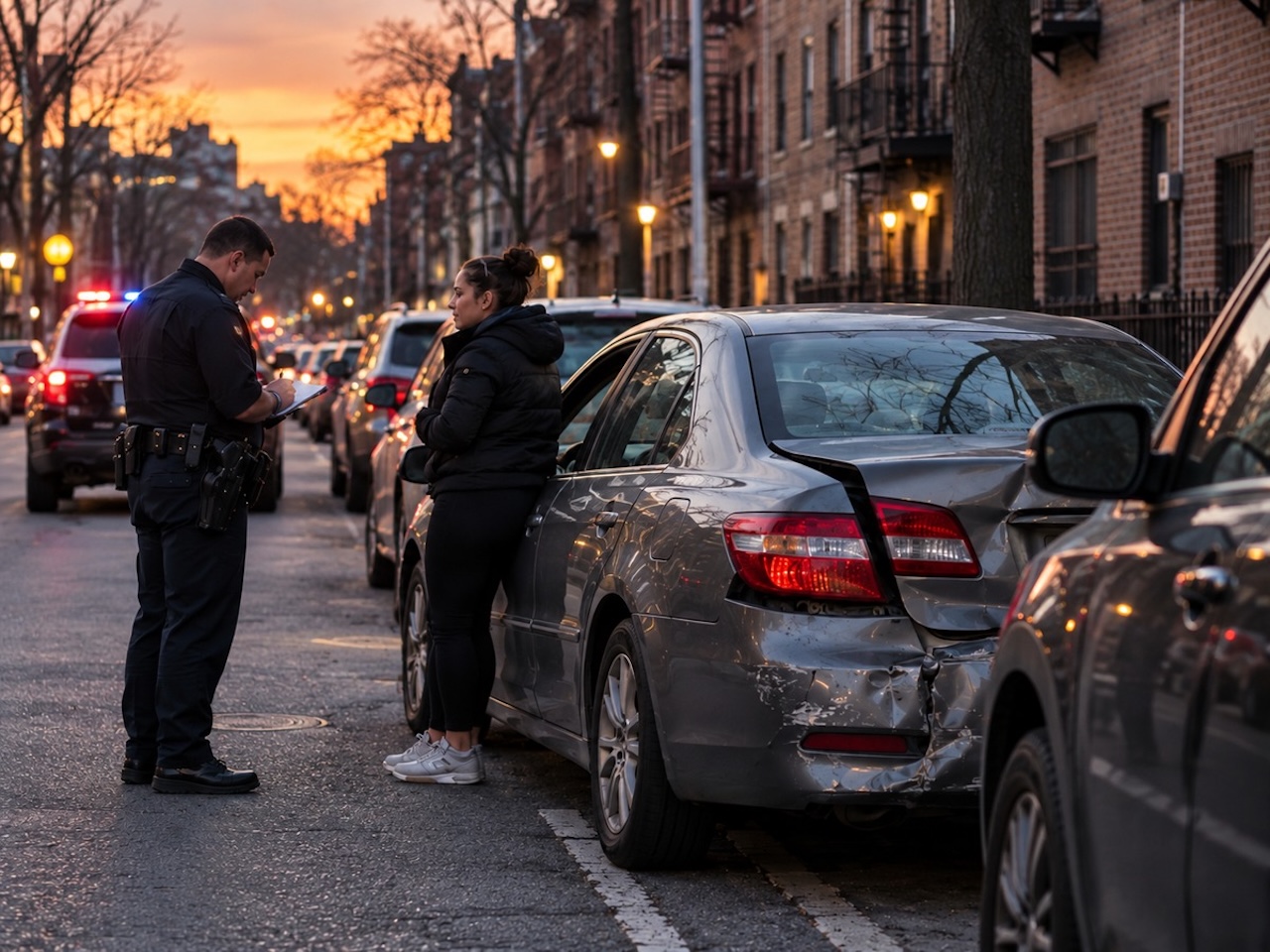
MVAIC Can Cover Medical Bills, Lost Wages, and Pain and Suffering, but Only If You Qualify and Act Fast
MVAIC can pay for your injuries after a hit-and-run in New York when no other auto insurance covers you. The Motor Vehicle Accident Indemnification Corporation steps in when a driver flees and can't be identified. It can cover medical bills, lost wages, and a limited amount for pain and suffering. But a New York hit-and-run claim through MVAIC comes with strict rules and short deadlines.
Missing one of those deadlines can shut the door on benefits that would otherwise be available. MVAIC also reviews every claim for eligibility, and it can dispute whether the fleeing car ever touched you. For pedestrians, cyclists, and New Yorkers without a car, MVAIC may be the only source of payment.
At Giampa Law, our Bronx hit-and-run accident lawyers help injured New Yorkers meet MVAIC's strict requirements. We also push back when a claim is denied. We personally handle each case, and we know how New York's insurance system works when the at-fault driver is gone.
|
Key Takeaways
|
What Is MVAIC and When Does It Pay?
New York created MVAIC in 1958 to protect people hurt by uninsured or unknown drivers. According to MVAIC, it operates as a nonprofit and provides no-fault and bodily injury coverage to eligible claimants. In a hit-and-run, MVAIC essentially fills the role the missing driver's insurance company would have played.
That role has limits. MVAIC isn't a general fund for every crash victim. It's designed as a safety net when no other insurance can respond. Before MVAIC pays, it checks whether a household auto policy should cover the loss instead. That review can take time, so the paperwork needs to be complete from the start.
Who Qualifies for MVAIC After a Hit-and-Run?
MVAIC only pays people the law calls "qualified persons." Here are the basic eligibility rules that apply after a hit-and-run in New York.
- The Crash Happened in New York: MVAIC covers motor vehicle accidents anywhere in the state, from the Bronx and the rest of New York City to Westchester County and beyond.
- You Were a New York Resident: You generally must have lived in New York when the crash happened. Some out-of-state residents may qualify in special situations.
- No Other Auto Insurance Is Available: If you or a household relative owns an insured car, you'll usually need to file with that insurer first.
- You Didn't Own an Uninsured Vehicle Involved: Owners of an uninsured car involved in the crash, and their spouses riding in it, are excluded.
The household insurance rule surprises many people. A pedestrian struck by a fleeing driver may still be covered by a relative's auto policy at the same address, even without driving. That policy's no-fault and uninsured motorist coverage usually comes before MVAIC. Filing with the wrong source can waste weeks you can't afford to lose.
How Much Can MVAIC Pay After a Hit-and-Run?
MVAIC claims usually involve two kinds of coverage. The first is no-fault coverage. It pays for medical bills after a car accident regardless of who caused the crash. No-fault benefits also cover part of your lost wages, up to $2,000 per month. Those benefits can help keep treatment going while you're unable to work.
The second is bodily injury coverage, which can pay for pain and suffering. MVAIC's bodily injury payments are tied to New York's minimum auto liability limits. Those limits are $25,000 per person and $50,000 per accident. MVAIC generally won't pay more than those amounts, even when the injuries are severe and the recovery takes months.
To recover for pain and suffering, you must also meet the serious injury threshold under Insurance Law § 5102(d). Fractures, significant disfigurement, permanent injuries, and significant limitations can qualify. For lawsuits filed on or after May 26, 2026, the old 90/180-day category no longer counts. That's one of several 2026 changes to New York auto injury law that make strong medical records more important.
A serious injury can easily cost more than MVAIC will pay. Surgery, months of physical therapy, and lost income add up fast in New York City. That gap makes it worth finding every other source of coverage. That includes the driver's own insurance if police later identify them. Knowing when to sue after exceeding no-fault limits can also shape your next steps.
Does the Hit-and-Run Car Have to Touch You?
Yes. Under Insurance Law § 5217, MVAIC's hit-and-run protection applies only if your injury arose from physical contact. The fleeing vehicle must have struck you or the vehicle you were occupying. A driver who forces you off the road without touching your car usually won't trigger MVAIC coverage.
Proving contact can decide the claim. MVAIC may argue the injury came from a near miss or a sudden swerve rather than an impact. Vehicle damage, paint transfer, and witness statements can help show the fleeing car made contact. So can traffic and security camera footage, which can be recorded over if no one requests it quickly.
MVAIC Deadlines That Can End a Hit-and-Run Claim
MVAIC's deadlines are short, and several of them run at the same time. Under Insurance Law § 5208, a hit-and-run claimant must report the crash within 24 hours and file a Notice of Intention within 90 days. Both are conditions of seeking payment. The table shows the key deadlines and what each one requires.
| Deadline | What Must Happen | Why It Matters |
|---|---|---|
| 24 hours | Report the crash to police or the DMV commissioner | Required for a hit-and-run claim under § 5208 |
| 30 days | File the no-fault application | Opens payment of medical bills and lost wages |
| 90 days | File a Notice of Intention with MVAIC | Preserves the right to seek payment for a hit-and-run |
| 180 days | File a Notice of Intention when the at-fault vehicle is identified but uninsured | Also applies after an insurer disclaims or denies coverage |
A late police report isn't always fatal. Section 5208 excuses the delay if a report wasn't reasonably possible or was made as soon as reasonably possible. Someone taken from the scene by ambulance, for example, may still meet that standard. MVAIC may challenge the excuse, though, so your accident report and hospital records should line up with the timeline.
Can You Challenge an MVAIC Denial?
MVAIC can deny a claim over residency, household insurance, physical contact, or a missed deadline. If you need to sue over a hit-and-run, you can't simply file a lawsuit against MVAIC. Under Insurance Law § 5218, you must first ask a court for permission. The court looks at whether you're a qualified person and have met the notice rules. It also asks whether all reasonable efforts to identify the driver have failed.
A denial isn't always the final word. An attorney can review the denial letter and pinpoint exactly why MVAIC rejected the claim. From there, a lawyer can gather missing proof, such as the police report, hospital records, or photos showing contact. If the claim belongs in court, an attorney can prepare the petition and argue that you've met every requirement.
Get Serious About Your Hit-and-Run Claim With Giampa Law
A driver who flees the scene shouldn't leave you paying for someone else's choice. MVAIC can help, but only when the claim is filed correctly and on time. Our attorneys know how New York's no-fault and MVAIC rules work in practice. We track down evidence that proves contact and gather the records MVAIC demands. When a claim is denied, we're ready to challenge it in court.
If you were hurt by a driver who didn't stop, contact Giampa Law about your MVAIC claim. The sooner we start, the more evidence we can preserve, from camera footage to witness statements. We'll treat you like family, and you won't owe us a fee unless we win your case.
"I would absolutely recommend Giampa Law's services to anyone in need of justice and compensation. Their office staff is excellent, always in contact, and willing to help throughout the whole process." — H.T., ⭐⭐⭐⭐⭐