
Yonkers Motorcycle Accident Lawyer Fighting for Injured Riders
Protecting the rights of motorcyclists injured in Yonkers, NY
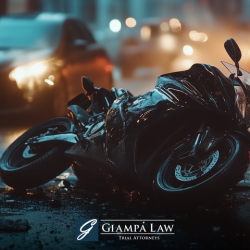 Riding a motorcycle offers a sense of freedom and thrill that’s hard to match. Cruising along the Saw Mill Parkway or down Yonkers Avenue on a clear day can be exhilarating. But when a car driver in Yonkers fails to notice you or respect your space on the road, that same ride can turn tragic. Motorcyclists are particularly vulnerable in crashes without the protective cage of a car, and riders often sustain severe injuries in collisions.
If you or a loved one were injured in a motorcycle accident in Yonkers, you need to know your rights. The Yonkers motorcycle accident attorneys at Giampa Law are experienced in standing up for injured riders. Our mission is to help you secure maximum compensation so you can heal and move forward. Contact us for a free consultation. We’ll listen to what happened and explain how we can fight for you.
FAQs About Yonkers Motorcycle Accidents
- What should I do after a motorcycle accident in Yonkers?
- What are common causes of motorcycle accidents?
- Who can be at fault for a motorcycle accident?
- What injuries are common in motorcycle accidents?
- Does New York’s no-fault insurance cover motorcycle accidents?
- What compensation can I receive after a motorcycle accident?
- What if I wasn’t wearing a helmet in the crash?
- What if the at-fault driver is uninsured or fled the scene?
- How long do I have to file a motorcycle accident claim in New York?
What should I do after a motorcycle accident in Yonkers?
The aftermath of a motorcycle crash can be chaotic and frightening. As a rider, you’re likely to be thrown or to fall, and you might be badly hurt. Here are the steps to take following a motorcycle accident:
Call 911 immediately
Report the motorcycle accident and request medical assistance as soon as possible. Given the high-impact nature of motorcycle crashes, it’s important to have police and EMS come to the scene. If you think you’re fine, don’t try to “walk it off.” You could have serious internal injuries or fractures masked by adrenaline.
Move to a safe spot
If you’re in the roadway and can move, get yourself (and your bike, if possible) out of traffic to prevent further collisions. However, don’t remove your helmet or gear if you suspect a head, neck, or back injury. Wait for paramedics, as improper movement can worsen spinal injuries. Warn oncoming traffic if you can (or ask others to), perhaps by setting off flares or using hazard lights from any vehicles involved.
Seek medical attention
Accept help from the EMTs and let them check you out thoroughly. Many motorcycle injuries, like internal bleeding or concussions, might not show immediate symptoms. If they advise going to the hospital, do it. If you don’t go by ambulance, go get a full evaluation on your own as soon as possible. This is key for your health and will also document your injuries for a later claim.
Gather evidence at the scene (if you’re able to)
If your condition allows (or if someone can help), gather information:
- Exchange information with the other driver(s): This includes names, phone numbers, addresses, driver’s license numbers, license plate numbers, and insurance details.
- Take photos: Document the crash scene, damage to your motorcycle and the other vehicle, skid marks, debris, and the surrounding area. Photos of your injuries (cuts, bruises, road rash) at the scene or soon after are helpful too.
- Talk to witnesses: If bystanders or other drivers saw what happened, get their names and contact info. Their statements may be important if there’s a dispute about how the motorcycle accident occurred.
Don’t admit fault or make detailed statements yet
When speaking with the police, recount the facts of what happened to the best of your ability, but avoid speculative statements such as “Maybe I was going a little fast” or any apologies. Never say anything to the other driver like “It was my fault” (even if you think you might have been partly to blame, you may be mistaken or not aware of something the driver did wrong). It’s best to stick to factual observations.
Keep your gear and bike
Your motorcycle, helmet, and riding gear are evidence. Don’t discard the helmet or clothing, even if destroyed. They can demonstrate the force of impact and can be analyzed if needed. Don’t authorize your bike’s immediate repair or scrapping; let us get it inspected and photographed.
Notify your insurance and use caution with adjusters
You should report the crash to your motorcycle insurance carrier fairly soon (as they require). However, when it comes to giving a recorded statement or detailed info to insurance (especially the other driver’s insurance), it’s wise to consult an attorney first. Insurance adjusters might twist your words. You can simply tell the other driver’s insurance company, if they call, that you’ll be consulting a lawyer and will have them get in touch.
Speak to a motorcycle accident lawyer in Yonkers
The sooner you involve a knowledgeable lawyer, the better. We can start investigating right away by gathering evidence and preventing it from being lost. We’ll also guide you on medical care and insurance notifications. Having an attorney early can prevent costly mistakes and ensure your rights are protected from day one.
What are common causes of motorcycle accidents?
Motorcycle accidents in Yonkers and elsewhere usually trace back to some form of negligence or unsafe behavior, often on the part of other drivers. Some frequent causes include:
- Left-turn accidents: A car making a left turn at an intersection or into a driveway fails to see an oncoming motorcycle and turns directly into its path.
- Lane changing and blind spots: Motorcycles can easily fall into a vehicle’s blind spot. If a driver doesn’t check over their shoulder and mirrors carefully, they might sideswipe a motorcycle when changing lanes.
- Rear-end collisions: A distracted or speeding driver might not stop in time and hit a motorcyclist from behind at a stop light or in traffic.
- Speeding and reckless driving (by cars): When drivers speed or drive aggressively, they reduce their ability to react to motorcycles on the road. High-speed impacts are particularly devastating for riders. Reckless actions such as tailgating a motorcycle, weaving through traffic, or brake-checking can cause crashes.
- Opening car doors (“dooring”): While dooring is often associated with bicycles, a parked car driver swinging a door open can also take down a motorcycle if the rider is riding close to parked cars.
- Driving under the influence: A drunk or drugged driver is a hazard to everyone. Impaired drivers have poor judgment and reaction times, and they might completely miss seeing a motorcycle or misinterpret its distance.
Giampa Law identifies exactly how and why your motorcycle accident happened. We gather all available evidence, including skid marks, vehicle damage, witness accounts, and sometimes expert analysis.
Who can be at fault for a motorcycle accident?
In many motorcycle accidents, the primary at-fault party is a driver of another vehicle (such as a car or truck) who acted negligently. But there can be multiple contributing factors and thus multiple parties who share liability. Potential parties at fault include drivers who were:
- Speeding
- Distracted
- Driving recklessly
- Driving drunk
If a road hazard caused or contributed to the crash, the entity responsible for road maintenance might share fault. This might be due to a badly designed road, obscured stop sign, malfunctioning traffic light, or large pothole.
Sometimes, a defect in the motorcycle or its parts (brakes, tires, etc.) causes a motorcycle accident or makes it worse. For example, if your brakes failed without warning due to a manufacturing defect, a case could be made against the manufacturer.
Our Yonkers motorcycle accident lawyers know how to thoroughly investigate and pinpoint fault. We also know how to handle cases where fault is shared. If needed, we’ll bring in crash reconstruction experts to create a clear picture of how each party’s actions led to the motorcycle accident.
What injuries are common in motorcycle accidents?
Motorcycle accidents often result in serious injuries, even at moderate speeds, because riders lack the physical protection that car occupants have. Some of the most common injuries motorcyclists sustain include:
- Broken bones
- Road rash and skin abrasions
- Head injuries and traumatic brain injuries
- Spinal cord injuries and paralysis
- Internal injuries
- Lower extremity injuries
- Nerve damage
- Psychological injuries
Insurance companies might try to downplay certain injuries. For example, calling road rash “just scrapes,” or questioning a concussion’s seriousness if you didn’t lose consciousness. Giampa Law counters that by providing strong medical evidence, doctors’ opinions, and sometimes day-in-the-life videos or client testimony that makes clear how painful and limiting these injuries truly are.
We also won’t let them ignore the pain and suffering component. A broken leg isn’t just the hospital bill; it’s months of painful recovery, missed activities, and maybe ongoing pain or arthritis. A brain injury isn’t just the ER visit; it’s the concentration issues and personality changes you cope with daily. We ensure all of this is included when seeking compensation.
Does New York’s no-fault insurance cover motorcycle accidents?
New York’s no-fault insurance system doesn’t cover operators or passengers of motorcycles. This is an important distinction that catches many riders by surprise. Under New York Insurance Law, motorcycles are excluded from the definition of “motor vehicle” for no-fault benefits, which means if you’re a motorcyclist injured in a crash, you don’t get the automatic Personal Injury Protection (PIP) coverage that drivers and passengers of cars get.
As a result, injured motorcyclists must typically rely on their own health insurance to cover medical costs, or pay out-of-pocket if uninsured. This can be financially tough, especially with serious injuries. However, when we pursue a claim against the at-fault driver, we will include all your medical expenses (even those paid by health insurance, which may need to be reimbursed to them) as part of your damages.
The good news is that you can sue an at-fault driver for any injuries (minor or major) without the “serious injury” threshold that car occupants have to meet. Giampa Law will guide you through this. If you have trouble paying for treatment, we might help you find doctors who accept liens (payment from the eventual settlement). We take into account the lack of PIP when fighting for the best possible outcome of your claim.
What compensation can I receive after a motorcycle accident?
If another party was at fault for your motorcycle crash, you can seek compensation for all the losses you suffered as a result of the motorcycle accident. This typically includes:
- Medical expenses: This covers the medical bills stemming from your motorcycle, including emergency care, hospitalization, surgeries, doctor visits, medications, and long-term therapy.
- Lost income: If your injuries caused you to miss work, you can claim the wages lost during that period. We’ll calculate the salary or earnings you didn’t get because of time off. If you have to use PTO or sick days, we consider that a loss too.
- Reduced earning capacity: If your injuries are serious enough to limit your ability to work in the future, we pursue damages for that loss of earning power.
- Property damage: The cost to repair or replace your motorcycle and any other personal property damaged (such as your helmet, jacket, or phone). Motorcycle repair or replacement is usually handled separately through insurance property damage claims.
- Pain and suffering: This compensates you for the physical pain and discomfort, the emotional trauma, and overall suffering endured due to the accident and your injuries. Other non-economic damages might include mental anguish, loss of enjoyment of life, and loss of consortium.
- Scarring or disfigurement: Motorcycle accidents often cause scars (surgical or road rash scars) or even amputations and other disfigurements. The effect on your appearance and self-esteem, as well as the potential need for cosmetic surgeries, is taken into account.
The value of each of these categories depends on your unique case facts. We carefully document everything. That includes gathering all medical records and bills, obtaining letters from doctors about future care needed, getting statements from family and friends about your suffering and changes, and sometimes using expert witnesses.
Insurance companies often undervalue intangible damages. They might be okay paying your medical bills and lost wages, which are quantifiable, but they’ll lowball pain and suffering. Our Yonkers motorcycle accident attorneys can counter that by building a compelling narrative of how this injury changed your life.
What if I wasn’t wearing a helmet in the crash?
New York has a universal helmet law for motorcyclists. Both operators and passengers are required to wear a Department of Transportation (DOT) approved helmet at all times when riding. So, not wearing a helmet is actually a violation of law and can complicate your case if you sustained head injuries.
However, it doesn’t mean you have no case. If you weren’t wearing a helmet and you suffered head or facial injuries, the at-fault driver’s insurance will almost certainly argue that your failure to wear a helmet contributed to your injuries. Under New York’s comparative negligence rules, a jury could decide a percentage of fault attributable to you for the extent of your injuries due to not wearing a helmet.
Additionally, not wearing a helmet is relevant only to head, face, and neck injuries. It has nothing to do with how your motorcycle accident happened. So, if you broke your leg and had road rash, but no head injury, the fact you didn’t wear a helmet is largely irrelevant. In such cases, we’d file a motion to preclude any mention of helmet use because it’s not pertinent.
Even if you’re found partially at fault for head injuries due to no helmet, you can still recover the remainder. For example, suppose you are awarded $100,000 in total damages. You’re found 25% at fault for your head injuries because you weren’t wearing a helmet, and the driver is found 75% at fault for the crash. You would still get $75,000 (75%).
What if the at-fault driver is uninsured or fled the scene?
Being involved in a motorcycle crash with a hit-and-run driver or someone who has no insurance is a tough situation, but there are still avenues to recover compensation. Your own motorcycle insurance policy (and possibly any auto insurance policy you personally have) likely includes UM coverage. In New York, insurance companies must offer it (and you hopefully selected decent limits).
If the driver who caused the crash can’t be identified (hit-and-run) or is identified but has no insurance, you can file a claim with your own insurance under the Uninsured Motorist provision. This essentially steps in and pays damages as if it were the at-fault party’s insurance company, up to your policy limits. For example, if you have $100,000 UM coverage, that’s the max you could get from your insurance for bodily injuries.
If you don’t have any insurance that covers you, New York’s MVAIC is a safety net. Qualifying for MVAIC can be tricky, though. The motorcycle accident must be reported to police within 24 hours, and you must file a Notice of Claim with MVAIC typically within 90 days. MVAIC can provide coverage similar to minimum insurance. Our Yonkers motorcycle accident lawyers would assist in filing with MVAIC if needed.
Giampa Law has a lot of experience dealing with uninsured scenarios. Insurance companies are supposed to act in good faith on UM claims, but sometimes they can be adversarial, basically treating it like a normal claim.
How long do I have to file a motorcycle accident claim in New York?
For a motorcycle accident in New York, the standard statute of limitations for a motorcycle accident claim is generally three years from the date of the crash. However, if a motorcycle accident results in death, the personal representative of the deceased’s estate has 2 years from the date of death to file a wrongful death lawsuit on behalf of the family.
If your claim involves a government agency or employee, you face much shorter deadlines. You must serve a Notice of Claim within 90 days of the crash on the appropriate government entity (such as a city or county), and then the time to file the lawsuit is typically 1 year and 90 days from the accident.
The sooner you file a claim, the better. Early legal intervention can strengthen your case and relieve you of stress. Plus, evidence can disappear, and witnesses can move away or forget certain details. As soon as you consult a Yonkers motorcycle accident attorney at Giampa Law, we can gather evidence while it’s fresh and build a strong case on your behalf.
Get a Yonkers motorcycle accident lawyer committed to fighting for injured motorcyclists
If you or a loved one was hurt in a motorcycle accident, Giampa Law can tirelessly pursue the compensation you deserve and hold negligent drivers accountable for the harm they caused. Your first step is a free consultation with our firm. We’ll listen to your story, answer your questions, and honestly evaluate your case. There’s no pressure and no obligation. We can meet at our office, or if your injuries make travel difficult, we can come to you. We can also arrange consultations by phone or video conference.
Plus, you pay no upfront fees to hire us. We work on a contingency fee basis, which means we only get paid if and when we win your case. If we don’t get a settlement or verdict for you, you owe us nothing. That way, you can focus on your recovery, not legal bills.
Contact us online or call us today to schedule your free case evaluation. Let our Yonkers motorcycle accident attorneys put our experience and dedication to work for you. We’ll handle the legal battle, so you can concentrate on healing and getting your life back on track.